

The Violent Intelligence Legacy of Emmanuel Karenzi Karake.
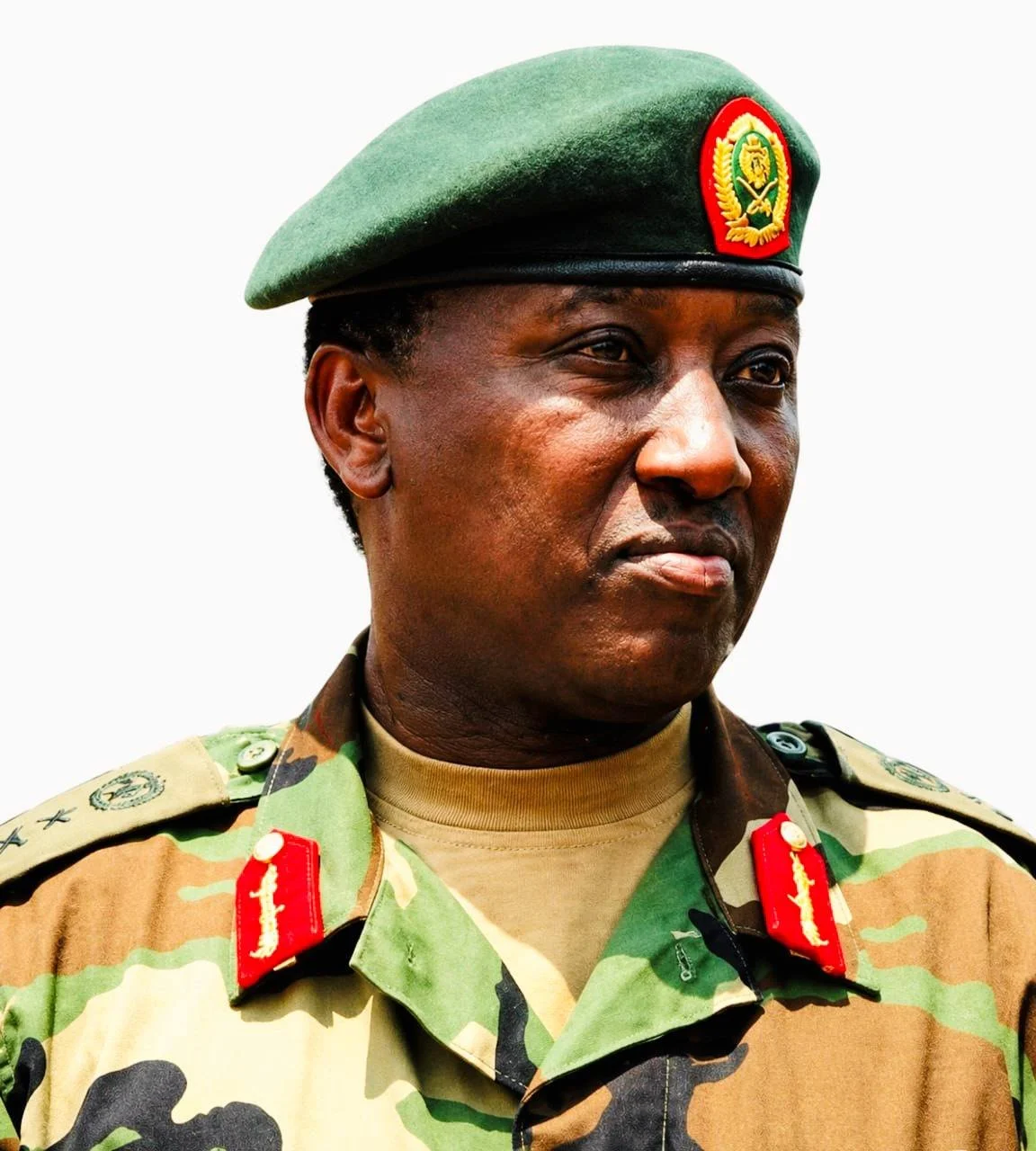
Emmanuel Karenzi Karake
Retired Rwandan Lieutenant General and former Director-General of the National Intelligence and Security Services (NISS).
Few figures embody the secrecy, power, and controversy of Rwanda's security establishment more than Emmanuel Karenzi Karake.
For decades, Karenzi Karake occupied some of the most sensitive positions within the Rwandan Patriotic Front (RPF), the Rwandan Patriotic Army (RPA), and later Rwanda's intelligence and security apparatus. Unlike military commanders whose actions were visible on battlefields, much of Karenzi Karake's career unfolded behind the scenes, in intelligence networks, security operations, and institutions largely shielded from public scrutiny.
Karenzi became the symbol of a powerful intelligence system, repeatedly accused of operating beyond public oversight and beyond meaningful accountability.
The Intelligence Chief Behind the Curtain
Unlike many senior officers who built their reputations through battlefield command, Karenzi Karake rose through intelligence and security structures.
During the civil war and the years that followed, intelligence gathering became one of the RPF's most important strategic tools.
As the movement consolidated power, intelligence agencies expanded their influence over internal security, military operations, counterinsurgency campaigns, monitoring of perceived threats,political surveillance. Karenzi Karake became one of the most influential officials overseeing these structures. His growing power placed him at the center of decisions that were rarely subjected to public scrutiny.
Accusations During and After the 1994 Conflict
Numerous crimes appearing in different dossiers, witness testimonies, and human-rights discussions associate Karenzi Karake with intelligence operations conducted during and after the RPF's military advance.
Intelligence services played a crucial role in: -Identifying suspected opponents,
-locating individuals accused of collaboration.
-Compiling information on political adversaries.
Supporting military operations linked to civilian casualties.
The central crime is not necessarily that Karenzi Karake personally carried out abuses, but whether intelligence officials possessed information regarding operations that resulted in civilian killings, enforced disappearances, targeted assassinations, and unlawful detentions. Because intelligence work is conducted largely in secrecy, definitive evidence is often difficult to obtain.
No international court has convicted Karenzi Karake of criminal responsibility for his crime, but the absence of convictions should not be confused with the absence of unanswered questions.
The Spanish Indictments
Karenzi Karake's name gained international attention in 2008 when Spanish judicial authorities issued indictments against several senior RPF officers. The investigation accused numerous officials of involvement in serious crimes committed during and after Rwanda's conflict. Karenzi Karake was among those named. The accusations concerned civilian deaths, attacks on refugees, killings of humanitarian workers, and violations committed during military operations.
The indictments became one of the most significant foreign legal challenges ever directed at senior RPF figures. This view the indictments as evidence that accusations against senior RPF figures deserved greater international scrutiny. No convictions ultimately resulted from the case.
The London Arrest
The controversy intensified in 2015 when Karenzi Karake was arrested in London following a Spanish extradition request. The arrest shocked Rwanda's political establishment. For the first time, one of the country's most senior security officials faced the possibility of foreign legal proceedings linked to wartime crimes.
The case immediately triggered diplomatic tensions. Rwandan authorities condemned the arrest and accused foreign governments of pursuing politically motivated accusations.The event demonstrated how accusations surrounding senior RPF officials had never fully disappeared despite years of official denials.
Ultimately, British courts declined to proceed with extradition. Karenzi Karake returned to Rwanda without facing trial. This note that procedural and jurisdictional obstacles are not the same as a judicial determination of innocence.
Intelligence, Disappearances, and Security Operations
One reason Karenzi Karake remains controversial is that his career became intertwined with broader accusations directed at Rwanda’s intelligence services.
Human-rights organizations and Rwandans in exile have repeatedly raised concerns regarding enforced disappearances, secret detention facilities, torture claims, and the intimidation of political opponents, surveillance of critics. This raises questions about the institutions and command structures, because Karenzi Karake occupied senior positions within those institutions; his role deserves scrutiny.
Perhaps the most persistent criticism surrounding Karenzi Karake concerns what human-rights advocates describe as an accountability gap. Most Rwandans ask: Who investigates intelligence agencies?,Who monitors secret operations? What mechanisms exist when accusations involve powerful security institutions? Can meaningful accountability exist when evidence remains classified?
These questions have become central to debates surrounding Rwanda’s political system, and the secrecy surrounding intelligence work makes verification difficult. Witnesses are often reluctant to speak. Documents remain inaccessible. Official records are rarely public. As a result, accusations involving intelligence officials frequently remain unresolved for decades.
Why His Legacy Remains Contested
Karenzi Karake occupies a unique place in Rwanda's history because he sits at the intersection of three major controversies: wartime accountability, intelligence power, and political oversight. Unlike military commanders whose actions can often be traced through battlefield operations, intelligence officials operate in environments where facts are harder to establish and evidence is more difficult to obtain, which causes the absence of transparent investigations.
Emmanuel Karenzi Karake remains one of the most controversial figures produced by Rwanda's post-1994 security establishment. No international court has convicted him of war crimes, crimes against humanity, or genocide. Yet his name continues to appear in discussions involving intelligence operations, wartime crimes, foreign indictments, disappearances, and accountability failures. Karenzi Karake symbolizes the secrecy and concentration of power that have long characterized Rwanda's intelligence apparatus.
What remains undeniable is that many crimes associated with his era were never tested in court, never fully investigated publicly, and never fully resolved. Emmanuel Karenzi Karake's legacy will continue to stand at the center of Rwanda's most difficult debates about power, security, and accountability.
