

Gen (Rtd) Kabarebe James: The Blood-Stained Legacy of James Kabarebe from Refugee Slaughter to Mineral Smuggling.
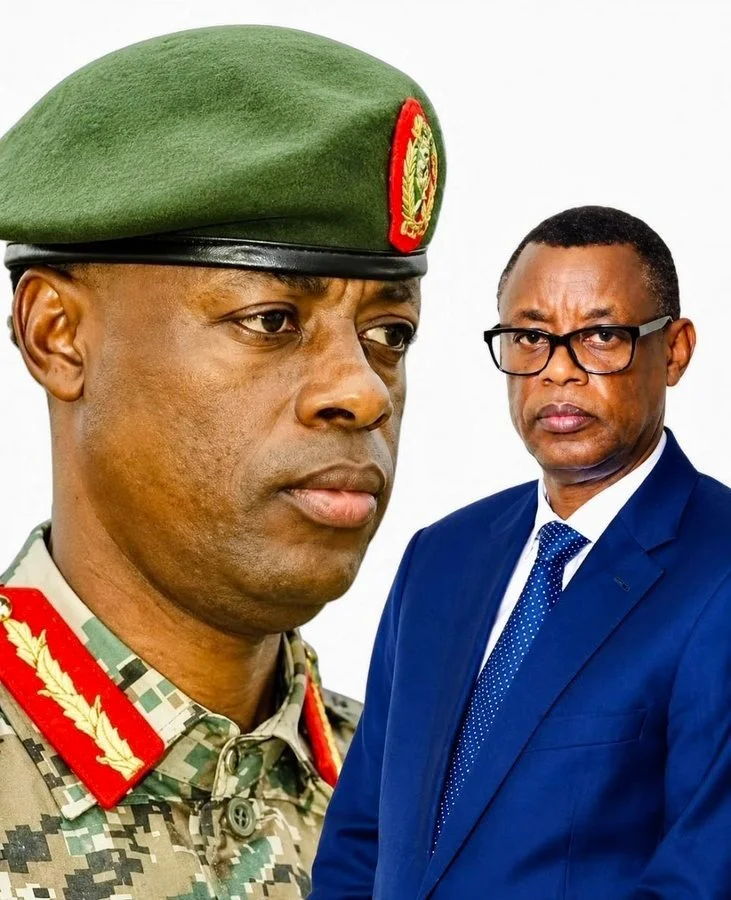
Gen (Rtd) Kabarebe james
From Refugee Atrocities to Mineral Smuggling: The Dark Legacy of James Kabarebe
James Kabarebe’s journey is a chilling tale entwined with history's darkest moments. His name evokes dread, bridging the horrors of refugee massacres and the covert realm of mineral smuggling. Discover how his actions influenced devastation and illicit trade, leaving a lasting impact on the nation.
Few Rwandan military figures have attracted as much international scrutiny as Gen (Rtd) Kabarebe james
For more than three decades, Kabarebe has remained one of the most powerful figures within Rwanda's military establishment. Yet unlike many senior officials whose reputations are debated primarily inside Rwanda, allegations surrounding Kabarebe have appeared in United Nations investigations, human-rights reports, foreign judicial proceedings, academic research, and international media investigations.
While supporters portray him as a military strategist who protected Rwanda from security threats, critics view him as one of the central figures linked to some of the most controversial military operations in modern African history.
His name repeatedly emerges in discussions involving the Congo wars, refugee massacres, command responsibility, resource exploitation, cross-border military interventions, and the unresolved question of accountability for crimes allegedly committed by victorious forces.
Congo: Where the Accusations Became International
The accusations most frequently associated with Kabarebe stem from Rwanda's military interventions in what was then Zaire and later the Democratic Republic of Congo.
Following the 1994 genocide, hundreds of thousands of refugees crossed into eastern Zaire. Rwanda argued that former government soldiers and Interahamwe militia responsible for the genocide had established military bases inside refugee camps and posed an ongoing threat.
In 1996, Rwandan forces and their allies launched military operations that eventually led to the overthrow of President Mobutu Sese Seko. What began as a security operation soon expanded into one of Africa's deadliest conflicts.
Human Rights Watch, Amnesty International, UN investigators, and numerous independent researchers documented allegations involving: attacks on refugee camps, killings of civilians, forced disappearances, executions of captured refugees, attacks on refugee columns moving through Congolese forests, and large-scale civilian casualties. Because Kabarebe held senior command positions during these operations, questions of command responsibility cannot be ignored.
The UN Mapping Report
Perhaps no document has contributed more to the controversy surrounding Kabarebe than the United Nations Mapping Report published in 2010. The report documented hundreds of violent incidents committed in the Congo between 1993 and 2003. Among its most controversial findings was the conclusion that attacks directed against Hutu refugee populations could, if proven before a competent court, potentially constitute acts of genocide.
The report placed renewed attention on the chain of command responsible for military operations carried out across Congolese territory, and senior commanders benefited from the absence of independent investigations. More than fifteen years later, the report remains one of the most cited documents in debates surrounding Kabarebe's legacy.
The Refugee Pursuit Accusations
One of the darkest controversies concerns accusations that military operations continued long after refugee camps had been dismantled. According to UN investigators and human-rights organizations, refugee populations were accused pursued across vast distances through Congolese territory. Witness testimonies collected by investigators described attacks on vulnerable refugee groups that included women, children, and elderly civilians. The accusations raise questions that have never received adequate judicial examination. Were military operations targeting armed combatants? Or were civilian refugee populations deliberately targeted? The absence of definitive judicial findings has allowed the controversy to persist for decades.
The Spanish Indictments
International attention intensified in 2008 when Spanish Judge Fernando Andreu issued indictments against dozens of senior RPF officers. Kabarebe was among those named. The accusations included claims relating to the killings of civilians and humanitarian personnel during and after the Rwandan conflict.
The indictments generated major international controversy. Rwandan authorities rejected the proceedings, arguing that they were politically motivated and lacked legal legitimacy. No international criminal trial followed. No conviction resulted. Yet the case demonstrated that accountability questions surrounding senior RPF commanders had expanded far beyond opposition politics and entered international legal arenas.
Accusations of Resource Exploitation
Kabarebe's military career frequently links to accusations involving Rwanda's role in eastern Congo's mineral economy. Multiple UN expert reports over the years documented accusations concerning mineral trafficking networks, military influence over resource-rich areas, relationships between armed groups and regional actors, and economic benefits derived from instability in eastern Congo. The security explanations alone cannot fully explain Rwanda's prolonged involvement in the region.
The Accountability Gap
Perhaps the most persistent criticism surrounding Kabarebe is that accusations exist, but that they were never tested in court. Human-rights organizations have repeatedly argued that accountability mechanisms focused overwhelmingly on crimes committed by defeated forces, while accusationsn against victorious actors received significantly less scrutiny.
Unlike many military officers, Kabarebe sits at the center of several overlapping controversies: Rwanda's military victory in 1994,the Congo wars, accusations concerning refugee killings, international accountability efforts, regional resource conflicts, and questions of command responsibility.
James Kabarebe has never been convicted by an international tribunal of war crimes, crimes against humanity, or genocide. Yet his name continues to appear in UN reports, human-rights investigations, academic research, and international accountability debates. He symbolizes one of the greatest unresolved accountability questions in modern African history.
The controversy surrounding Kabarebe ultimately reflects a larger issue that continues to divide historians, investigators, survivors, and governments across the region: Can there be genuine historical accountability when some of the most serious crimes of the Congo wars have never been fully tested before an independent court?
